Our Work
Projects & Case Studies
Explore representative project scenarios and example solutions that illustrate how we support clients in planning, designing, and delivering energy and infrastructure initiatives.
The following project examples are illustrative scenarios created to demonstrate our consulting approach and capabilities. They do not represent completed client engagements.

Corporate Campus EV Charging Hub
Challenge
A representative scenario involving a large corporate campus seeking to deploy 50+ EV charging points while minimising disruption to daily operations and ensuring integration with an existing energy management system.
Illustrative Approach
This example demonstrates how a phased EV charging rollout could be planned and coordinated, incorporating smart load management strategies, optimisation of existing electrical infrastructure, and targeted upgrades to enable future scalability — all under a central consulting and project leadership model.
Potential Outcomes
- Scalable EV charging infrastructure supporting 50+ charge points
- Optimised capital expenditure through phased implementation planning
- Minimal disruption to campus operations during deployment
- Integrated load management aligned with existing energy systems
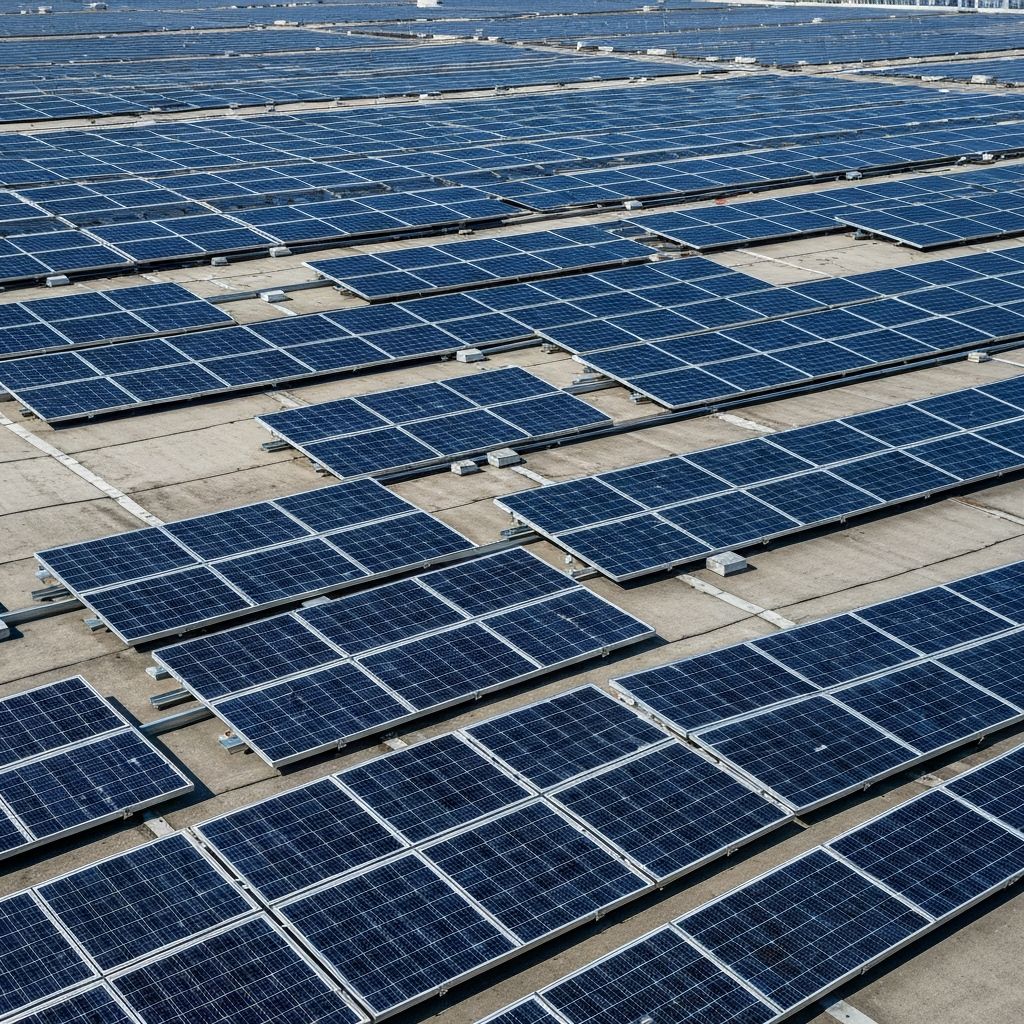
Industrial Manufacturing Solar Installation
Challenge
A representative manufacturing facility scenario seeking to offset approximately 80% of on-site electricity consumption through solar generation, while maintaining continuous operations and minimising production downtime.
Illustrative Approach
This example illustrates how a large-scale rooftop solar PV system could be planned and coordinated, incorporating structural feasibility review, system capacity definition, battery storage integration, and phased delivery aligned with scheduled maintenance windows — all managed under a central consulting and project leadership framework.
Potential Outcomes
- Indicative system capacity of approximately 2.5 MW
- Target energy offset of up to 80–85% of site consumption
- Commercial viability supported by long-term payback modelling
- Integrated performance monitoring and optimisation strategy
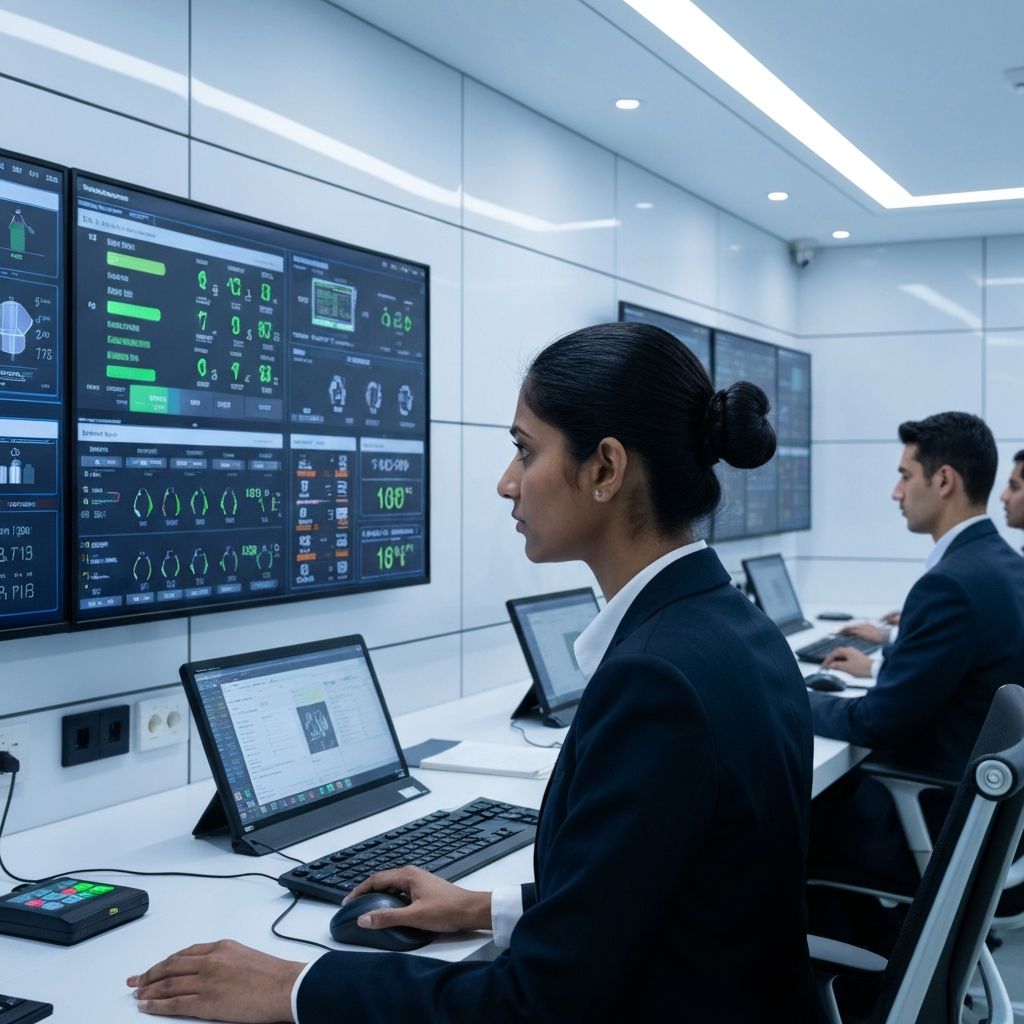
Smart Building Automation System
Challenge
A representative high-rise commercial building scenario requiring an integrated building management solution to unify HVAC, lighting, security, and energy monitoring within a single, centralised interface.
Illustrative Approach
This example demonstrates how a comprehensive building management system could be planned and coordinated, integrating multiple building systems through a unified platform and leveraging advanced analytics to support predictive maintenance and energy optimisation — delivered under a structured consulting and integration-oversight model.
Potential Outcomes
- Indicative energy reduction of up to 30–35% through coordinated automation strategies
- Centralised management dashboard providing real-time system visibility
- Remote monitoring capabilities to support continuous operational oversight
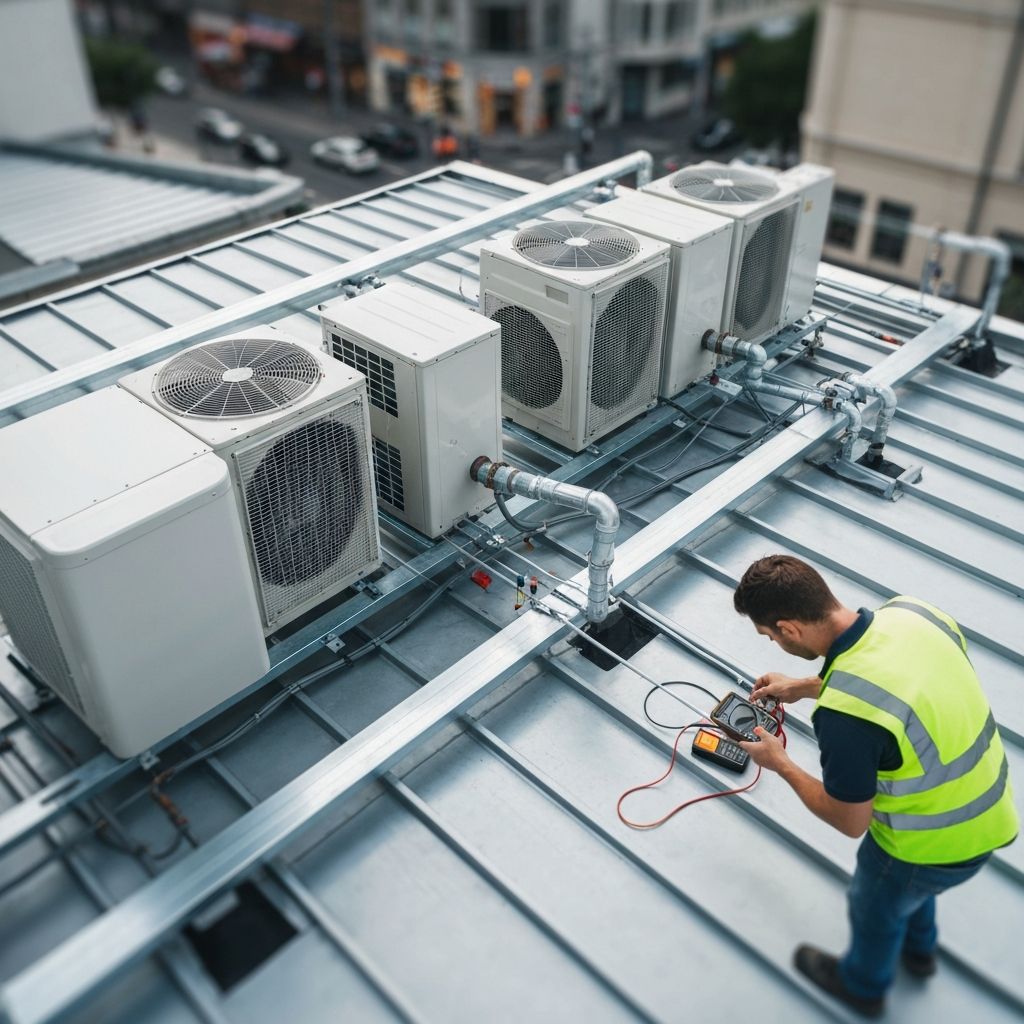
University Campus Heat Pump Conversion
Challenge
A representative university campus scenario requiring the transition of multiple existing buildings from gas-based heating systems to high-efficiency heat pump solutions, while meeting ambitious sustainability targets and working within defined budget constraints.
Illustrative Approach
This example illustrates how a campus-wide ground-source heat pump strategy could be developed, incorporating a shared bore field concept, zone-based optimisation, and integration with existing building management systems — coordinated under a central consulting and project leadership framework.
Potential Outcomes
- Indicative reduction in heating energy costs of up to 60%
- Significant reduction in operational carbon emissions
- Alignment with utility incentive and funding programmes
- Integrated control through existing BMS platforms
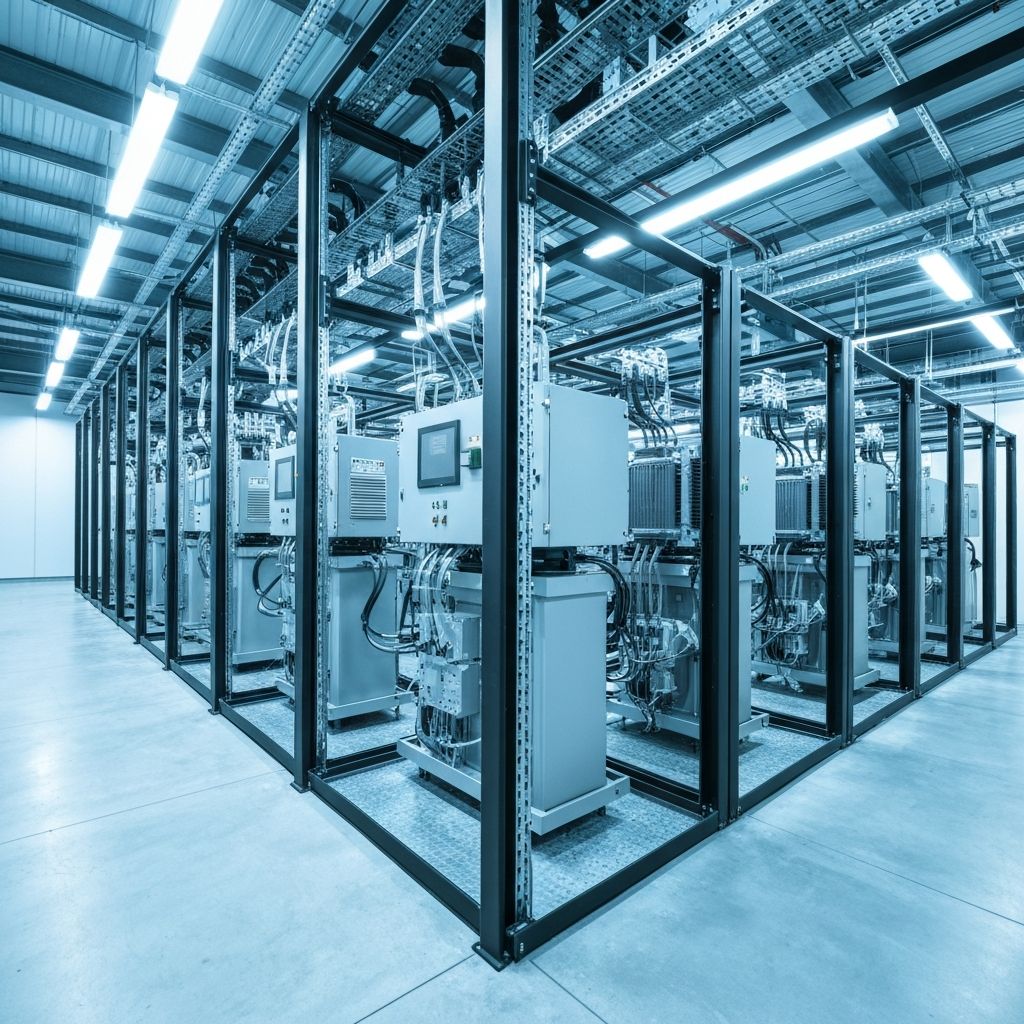
Data Center Power Infrastructure
Challenge
A representative hyperscale data centre scenario requiring approximately 10 MW of redundant power distribution capacity, designed to meet Tier III reliability requirements within an accelerated delivery timeframe.
Illustrative Approach
This example demonstrates how a resilient data centre power architecture could be defined and coordinated, incorporating redundant utility feeds, uninterruptible power supply systems, and generator-backed resilience with a modular design approach to support future expansion — all managed under a structured consulting and technical oversight model.
Potential Outcomes
- Indicative total power capacity of approximately 10 MW
- High-availability power architecture aligned with Tier III design principles
- Modular infrastructure supporting phased expansion and scalability
- Improved operational resilience through layered redundancy

Manufacturing Energy Efficiency Program
Challenge
A representative automotive manufacturing facility scenario experiencing rising energy costs and seeking to significantly improve operational efficiency while maintaining production output.
Illustrative Approach
This example demonstrates how a structured energy efficiency programme could be planned and coordinated, combining comprehensive energy assessment, prioritised efficiency measures, and continuous performance monitoring — all delivered under a central consulting and project oversight framework.
Potential Outcomes
- Indicative energy reduction of up to 30–35%
- Estimated annual cost savings based on energy modelling
- Alignment with ISO 50001 energy management principles
- Improved visibility through ongoing energy monitoring
Have a Project in Mind?
Let's discuss how we can help you achieve similar results for your business.